01
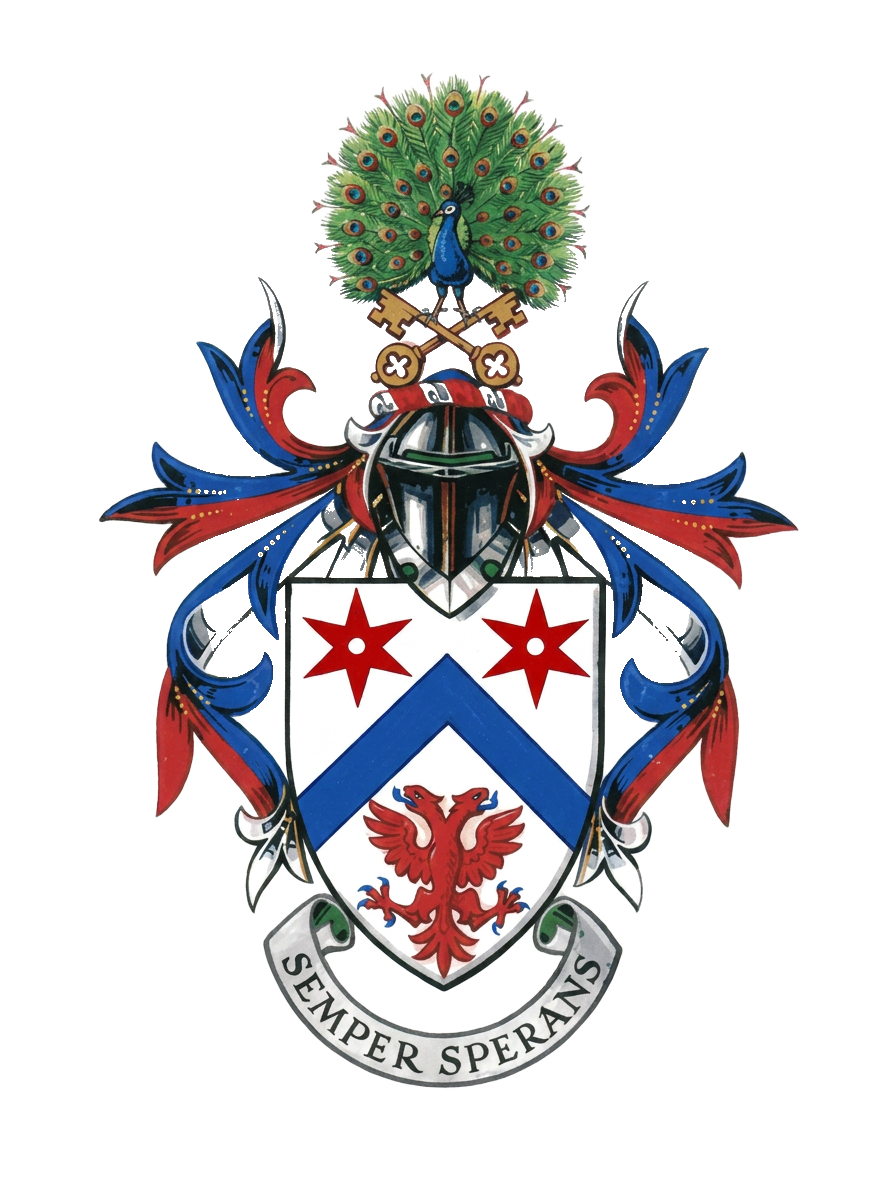
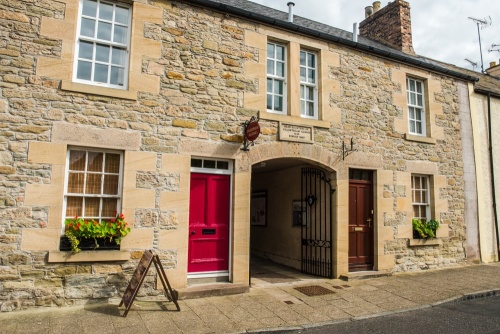
The Coldstream Guards
On the site of the first headquarters of the Coldstream Guards, and from where in 1660 General Monck marched to London to restore Charles II to the throne. Its displays cover the history and culture of Coldstream, with particular emphasis on the Coldstream Guards, including artefacts loaned by the Guards’ Regimental Museum.
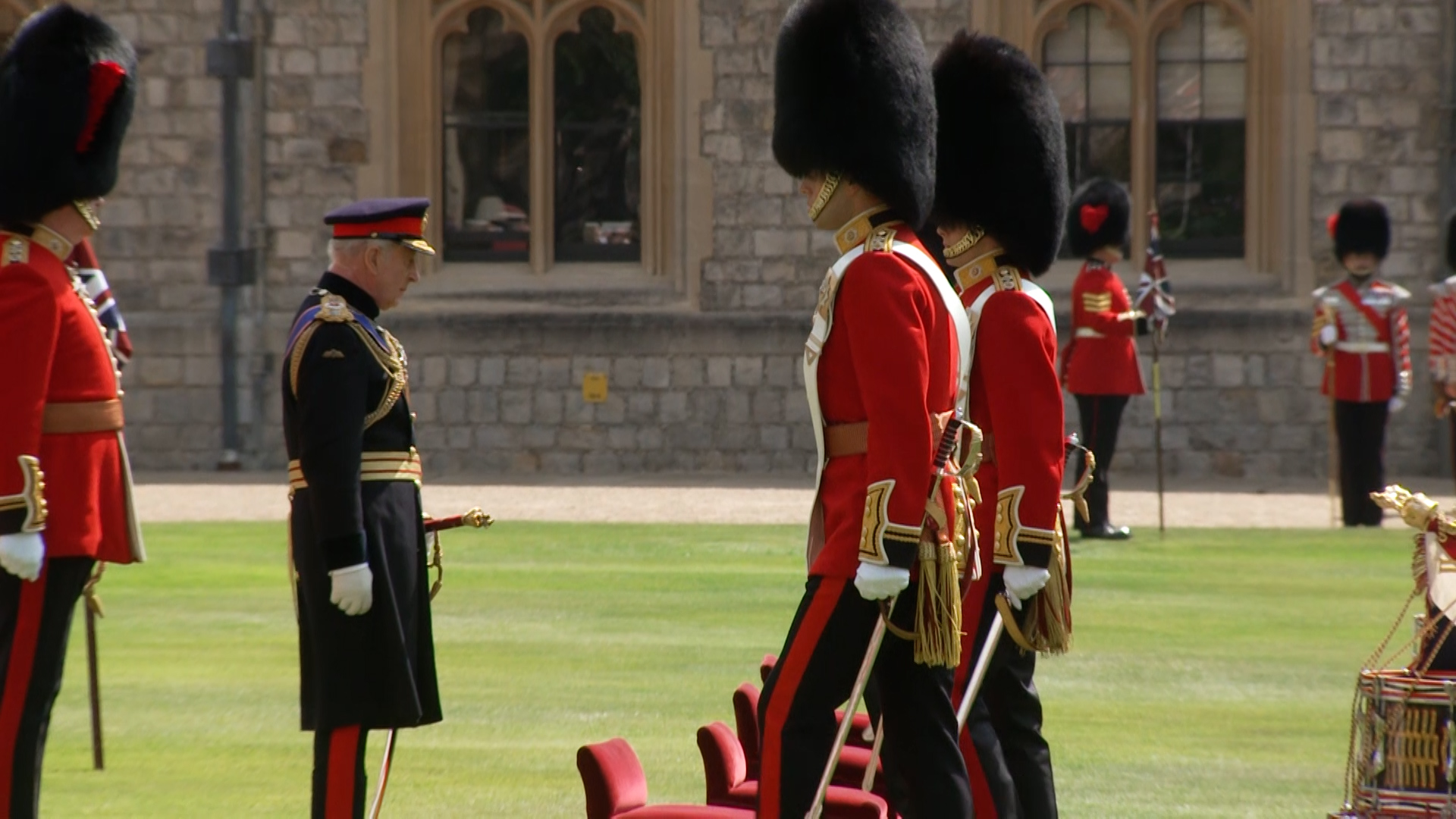
The Coldstream Guards maintain a strong connection with the town and regularly take part in Coldstream Civic Week, with serving Guardsmen travelling to Coldstream to support the celebrations. Their most prominent role is on Flodden Day, when Guardsmen accompany the Coldstreamer and the mounted cavalcade from the town to the battlefield, where a wreath is laid and a service held in memory of those killed.
Learn more02
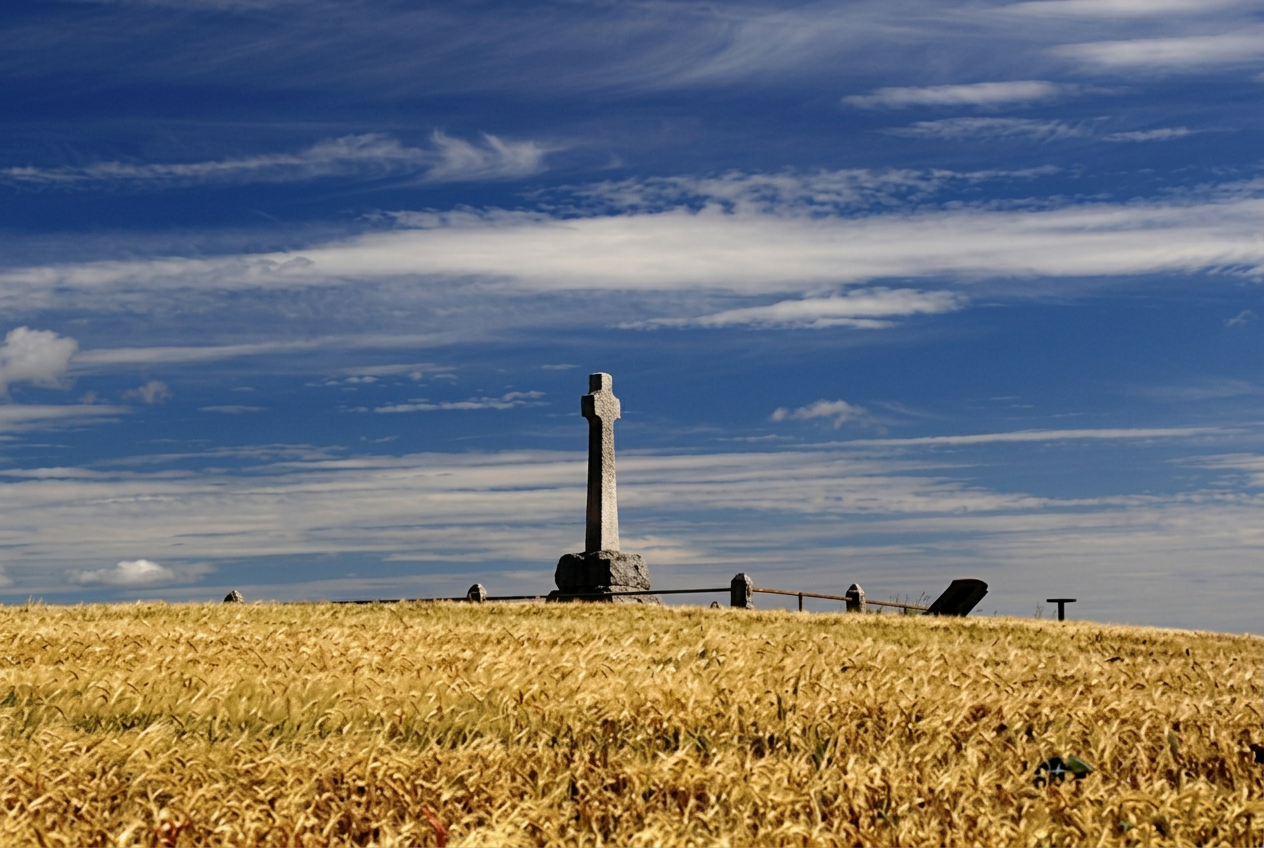
Flodden 1513
Four miles south of Coldstream, at Branxton, lies the battlefield of Flodden where in 1513 the largest battle ever fought between England and Scotland was decided in less than three hours. James IV had crossed the Tweed at Coldstream Ford three weeks earlier to invade England in support of his French allies. Outmanoeuvred by the Earl of Surrey, James descended from Branxton Hill onto wet, boggy ground, which disrupted the Scottish formations. Their eighteen-foot Continental pikes proved unwieldy at close quarters against the English eight-foot bills. Perhaps 10,000 Scots were killed against some 1,500 English, including nine earls, fourteen lords, an archbishop and James IV himself, cut down close to Surrey’s standard and the last monarch in the British Isles to die in battle.
Learn more03
Norham Castle
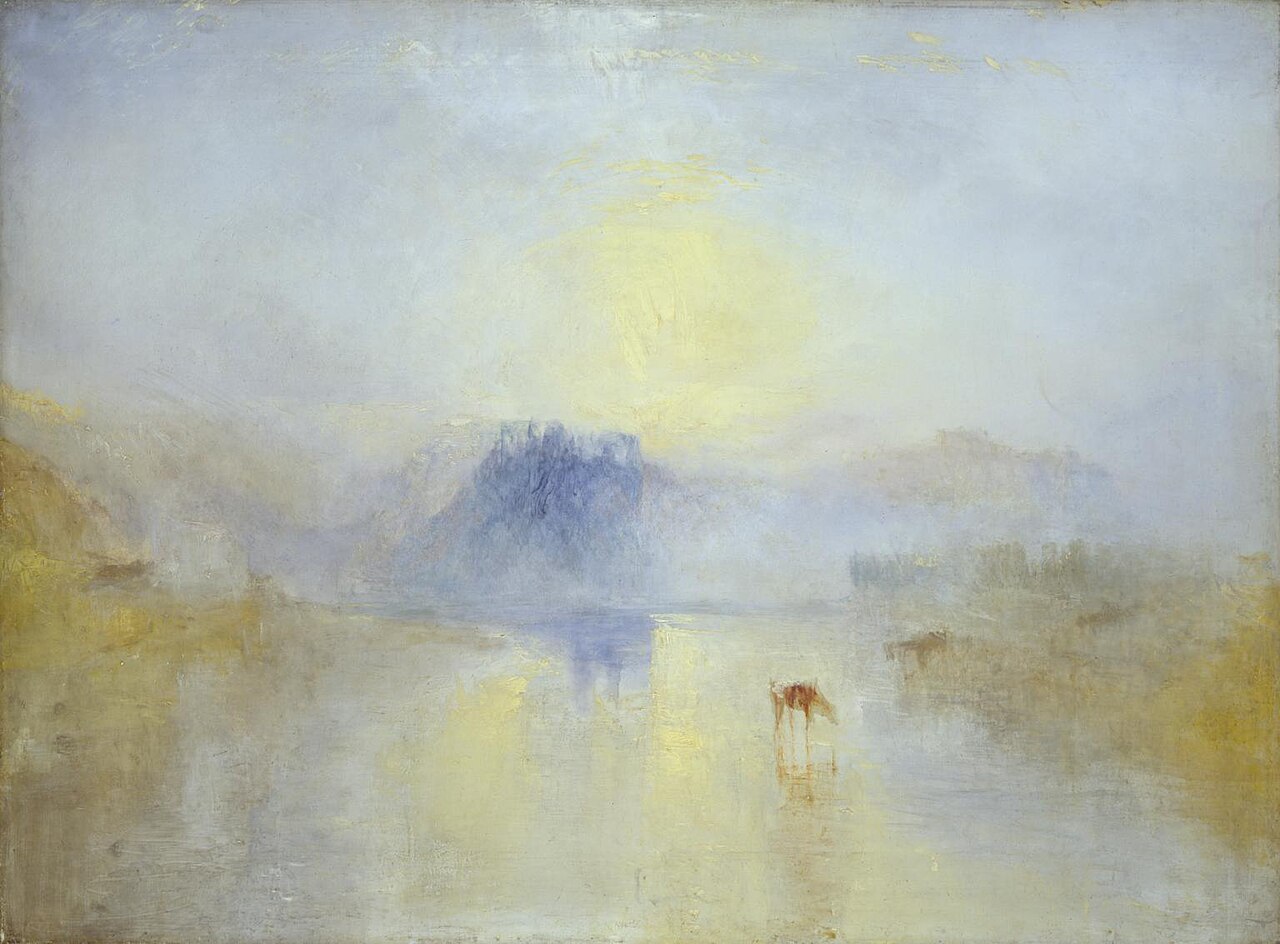
Set high on a grassy mound commanding a vital ford over the River Tweed and one of the castles most frequently attacked by the Scots — it was besieged at least 13 times, once for nearly a year by Robert Bruce. However, it fell to James IV's heavy cannon in 1513, shortly before his defeat at Flodden Field.
Learn more04
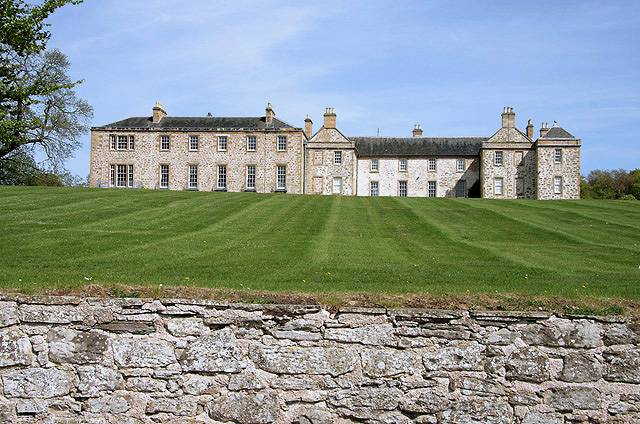
The Hirsel
The seat of the Earls of Home since 1621. The 14th Earl, Sir Alec Douglas Home, renounced his title to serve in the House of Commons, first as Foreign Secretary and then Prime Minister in 1963. His son, David the 15th Earl of Home, was Chairman of Coutts Bank and father of the current Earl.
Learn more05
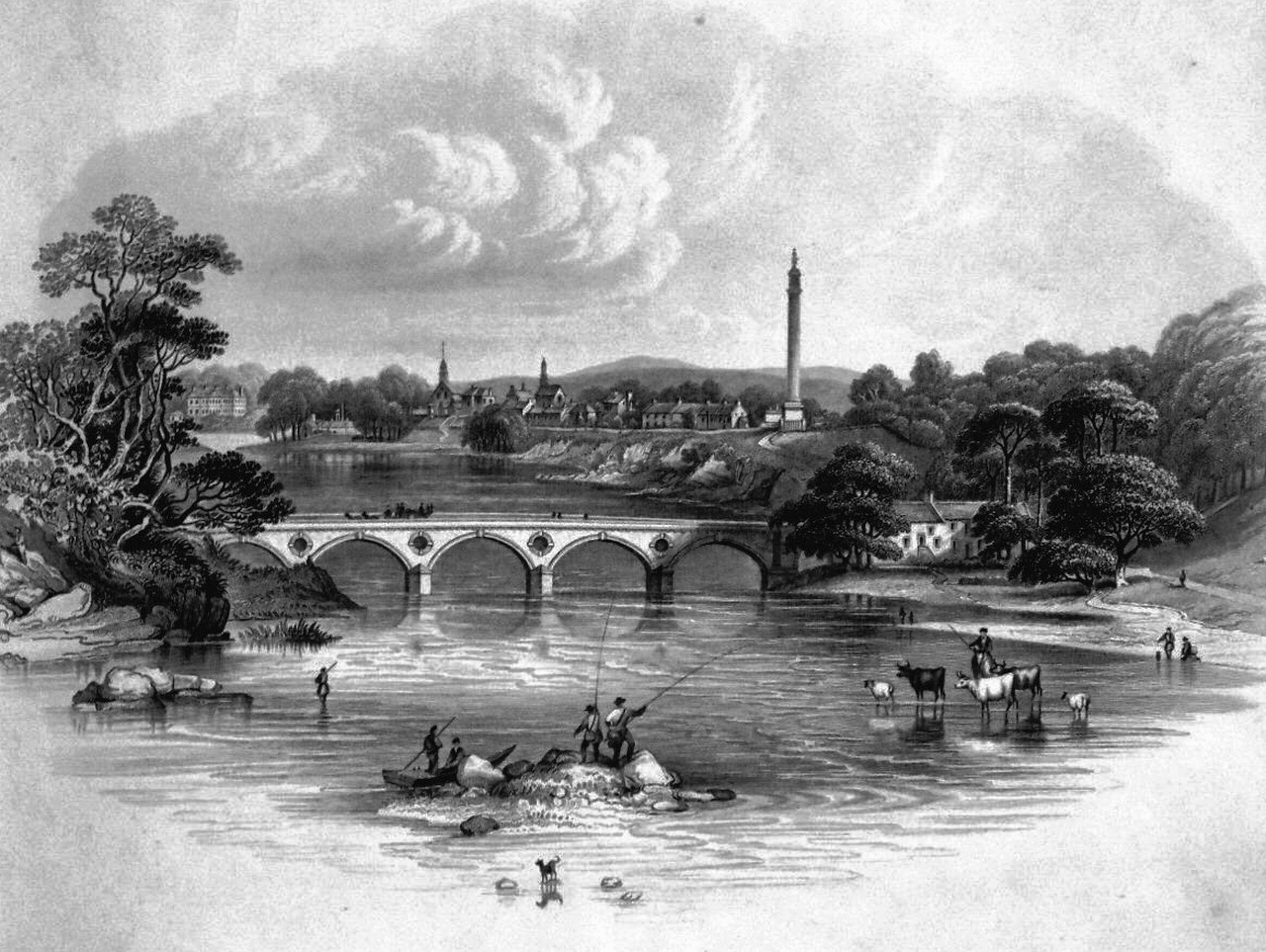
Smeaton's Bridge
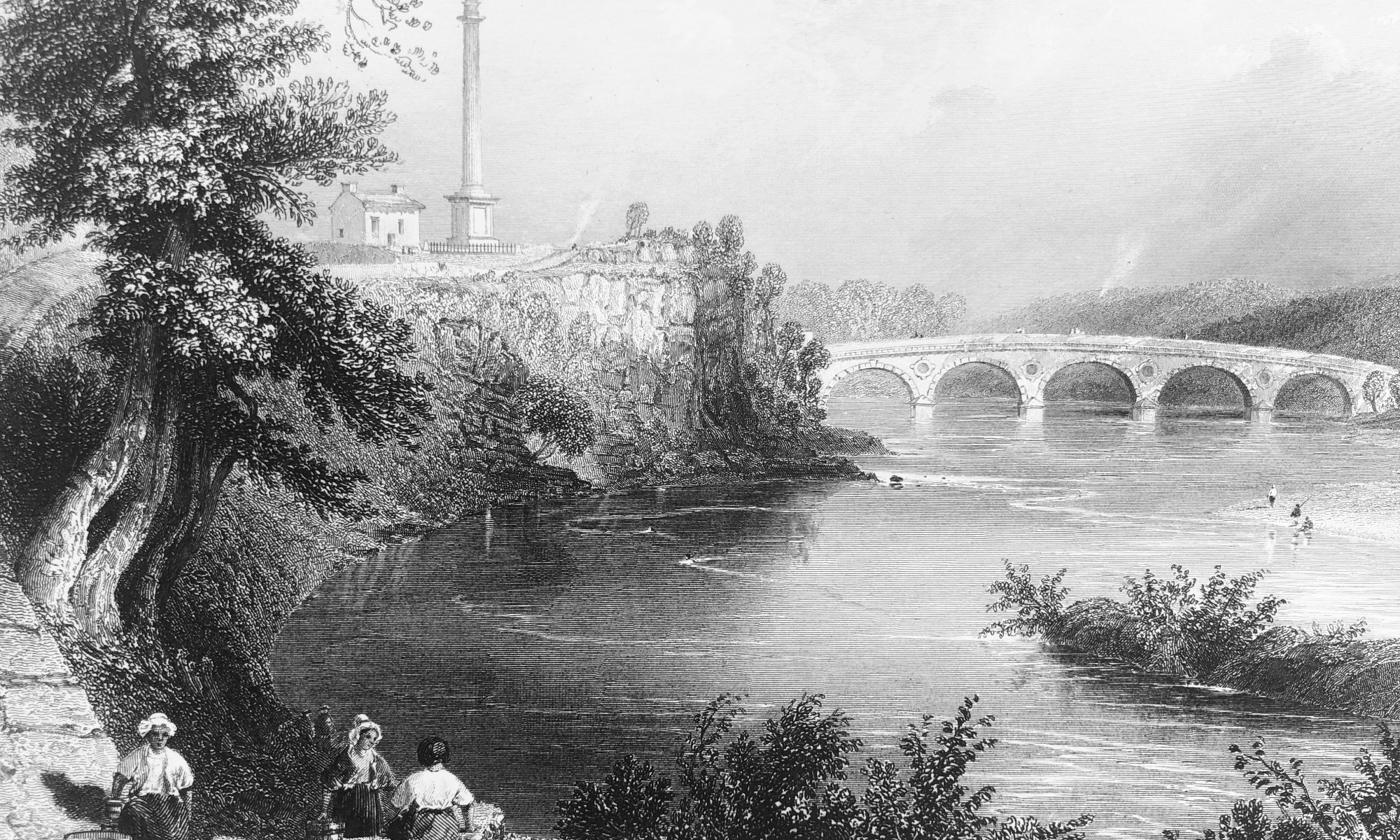
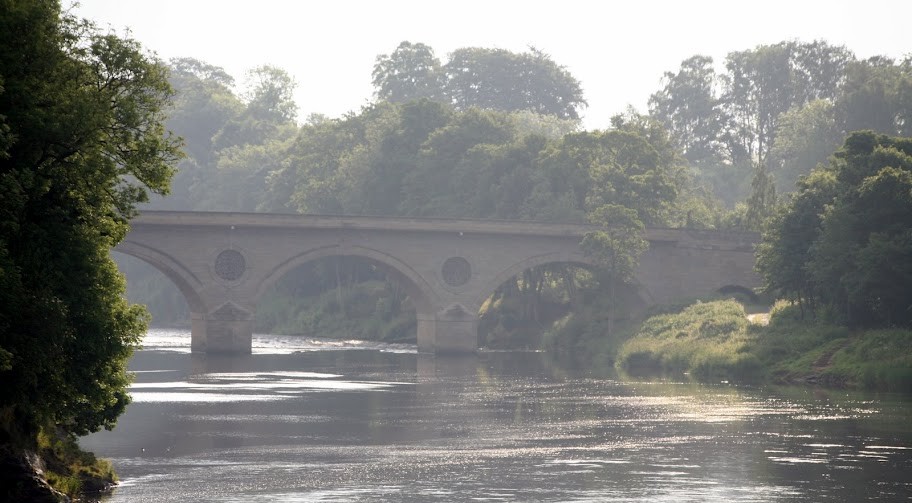
The 7 arched toll bridge built by John Smeaton in 1766 and from where Robert “Rabbie” Burns, Scotland's most famous poet and lyricist, first set foot on English soil in 1787.
06
Runaway Marriages
A toll and marriage house once a rival to Gretna Green where five Earls and a Lord Chancellor were married.
07
Coldstream Priory
The remains of a Cistercian Priory founded by Earl Gospatrick in 1165.